

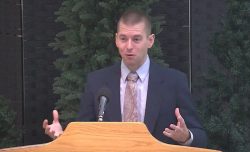
2026-02-01 Elder Andrew Dunning – “Forgiveness: The Key To Real Relationships” – Sacrament Service
February 1, 2026
Clickable Time Stamps
Summary
Elder Andrew Dunning’s sermon, “Forgiveness: The Key To Real Relationships,” explores the profound and transformative power of forgiveness as an expression of love towards others. Delivered in the spirit of February’s theme of love, Andrew emphasizes that forgiveness is not only challenging but essential for genuine relationships. He highlights the human tendency to hold onto anger and resentment, often carrying these burdens unnecessarily for years, and contrasts this with the divine forgiveness offered by God — a forgiveness we are called to emulate. Through personal anecdotes, scriptural teachings, and linguistic insights into the original Hebrew and Greek words for forgiveness, Andrew illustrates that forgiveness means freely granting pardon and consciously letting go of past wrongs. He reminds listeners that forgiveness is a divine act rooted in grace and a key to spiritual growth and peace. Ultimately, the sermon calls on believers to forgive as God forgave us, fostering love, healing, and deeper connections with others.
Highlights
- Forgiveness is a difficult but vital part of loving others and building real relationships.
- Carrying resentment can weigh heavily on us for decades, often for trivial offenses.
- Divine forgiveness is unearned and unconditional, serving as the model for how we should forgive others.
- Biblical examples, including Jesus’ teachings and miracles, underscore the power and priority of forgiveness.
- The original Hebrew and Greek words for forgiveness reveal its nature as a gracious, freeing act that cancels debts and lets go completely.
- Forgiveness is central to Christian faith, exemplified in Jesus’ life and teachings, including the Lord’s Prayer and parables.
- Believers are encouraged to reflect God’s forgiveness in their relationships, choosing love and mercy over bitterness.
Key Insights
- The Complexity of Forgiveness and Human Emotion: Forgiveness challenges deep-seated emotions like anger and the desire for justice or revenge. Elder Dunning insightfully explains that this emotional struggle is why forgiveness is so difficult, as it requires vulnerability and separating a person from their harmful actions. This reveals how forgiveness is not a simple act but a profound emotional and spiritual discipline that transforms both forgiver and forgiven.
- Forgiveness as a Divine Attribute and Human Calling: The sermon highlights the divine origin of forgiveness, particularly through the Hebrew word “Selichah,” used exclusively for God’s forgiveness of humanity. This divine example sets a high standard and calls believers to mirror God’s grace in their interactions, turning forgiveness from mere human kindness into a sacred duty.
- The Burden of Unforgiveness: The story of the woman who carried a decades-old grudge illustrates how unforgiveness can imprison a person emotionally and spiritually. This anecdote powerfully demonstrates that holding onto grievances ultimately harms the holder more than the offender, limiting joy, peace, and the ability to love freely.
- The Power of Repentance and Reconciliation: Andrew shares a personal testimony of a young man acknowledging his misjudgment and seeking forgiveness, which led to a deeper, more genuine relationship. This story underscores that forgiveness is not only about releasing others but also about opening doors to renewed trust and community.
- Scriptural Foundations for Forgiveness: Drawing on passages from Luke, Ephesians, and the Gospels, the sermon roots forgiveness deeply in scripture. Jesus’ teachings, including the Lord’s Prayer and the parable of the unforgiving servant, emphasize forgiveness as an ongoing, limitless act stemming from God’s mercy. These texts challenge believers to forgive repeatedly and unconditionally, as God forgives us.
- Forgiveness as Canceling Debt and Letting Go: The Greek terms “charizomai” and “aphiemi” reveal forgiveness as an act of grace that cancels a debt and releases the offender from obligation. This linguistic insight inspires believers to forgive fully and not to dredge up past wrongs, fostering true reconciliation and freedom from bitterness.
- Forgiveness as a Path to Spiritual Growth and Emulating Christ: Andrew’s sermon concludes with an inspirational charge to forgive as Jesus did, reflecting His love and mercy in our lives. Forgiveness is presented not only as a relational tool but as a spiritual milestone marking growth in faith and character, enabling believers to become more Christlike in heart and deed.
Leave a Reply